Safeguarding
The Academy is committed to the vital contribution all Governors and staff can make to safeguarding children. We will strive to make sure that every student in the Academy feels secure, well cared for, and able to reach their full potential.
We will ensure all our own staff, other professionals, parents/carers and students work together to know the rules about keeping children safe. They will understand the importance of following procedures and listening to each other, especially when there are concerns about safety.
The Academy will work hard to reduce all the kinds of harm that children can suffer, including abuse, bullying, discrimination and avoidable injuries. If you have any concerns at all about the safety or welfare of a child please do not hesitate to contact us.
Each Faculty Co-ordinator is trained to a high level in safeguarding and child protection. You may wish to contact them in the first instance or contact Mrs Edwards (Designated Safeguarding Lead) directly. If you cannot reach a member of staff please call our main reception where a message will be passed on immediately or alternatively please use our SHARP System by clicking on the logo below:
All concerns regarding a student should be reported to Mrs Edwards.
The Merton Safeguarding Children Partnership priorities for 2023-26 area
- Early Help
- Mental Health and Wellbeing
- Contextual Safeguarding
- Domestic Abuse
- Neglect
- Strong Leadership and Strong Partnership
The MSCP cross-cutting themes for 2023-26 area
- Voice of children, young people, and families
- Think Family
- Addressing disproportionality
- Pressures on families including cost-of-living and impact of Covid-19
- Learning from reviews & embedding reforms.
If you are looking for advice on how to keep your child safe online, or you wish to report an inappropriate online incident involving your child, you may access the National Crime Agency’s CEOP website through the link below:
Please find details of an Internet Safety app forwarded to us by Sutton Police:
It is an app that parents can download that allows them to control their child’s internet usage - essentially they can set times that their child can access wifi/4g on their phones, and they can do it remotely so the child has no control over it.
Operation Encompass
Operation Encompass is the implementation of key partnerships working between the Metropolitan Police (MPS), the local authority and Designated Safeguarding Lead’s (DSL), working in schools. Mrs Edwards is the DSL at Harris Academy Morden. Operation Encompass went live in Merton on 14th June 2019.
The attached Operation-Encompass-Letter.pdf has been circulated to all parents to inform them of this initiative.
Working together to safeguard children, The MPS will notify specially briefed Encompass DSL’s within schools about any domestic abuse incident where the child or young person has been present, to allow the school to take appropriate steps to support their pupil during what could be an emotionally difficult day.
In May 2018, the General Data Protection Regulation (GDPR) came into force and along with the it, the Data Protection Act 2018 which superseded the previous version. Reference to this new legislation is included in this version of Keeping Children Safe in Education along with new guidance set out in Information Sharing (2018). Both these documents stress that neither GDPR or the Data Protection Act 2018 prevents or limits the sharing of information to keep children safe. Paragraph 77 sets out the “Special Category Personal Data,” which allows sharing information even without consent, in some circumstances.
HAMD Safeguarding Team
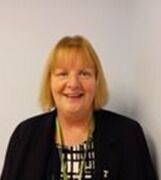 |
Designated Safeguarding, Internet Safety, Prevent and Senior Mental Health Lead Mrs L. Edwards 020 8687 1157 ex 3710 dsl@harrismorden.org.uk |
 |
Deputy Safeguarding Lead and Student Referral Centre Manager Mrs J. Shepherd 020 8687 1157 ex 3738 dsl@harrismorden.org.uk |
 |
Deputy Safeguarding Lead/Senior Pastoral Faculty Coordinator Miss E. Blenkinsop 020 8687 1157 ex 3746 dsl@harrismorden.org.uk |
|
|
Deputy Safeguarding Lead/Medical Officer Mrs S Ellaway 0208 687 1157 ex 3743 |
 |
Deputy Safeguarding Lead Miss K Patel 0208 687 1157 |
|
Social Workers in Schools (SWIS) Team Vacant Position |
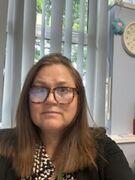
We have an extensive CP team at Morden which includes the entire Senior Leadership Team, the Faculty Coordinators and the Pastoral coordinators.
Other Safeguarding contacts:
|
Teacher responsible for Looked After children |
Mr Sparks |
info@harrismorden.org.uk / 0208 687 1157 |
|
Mental Health First Aiders |
Miss E Blenkinsop, Mrs J Clark, Mrs L Edwards, Mrs S Ellaway, Miss K Patel and Mrs J Shepherd |
‘As above’ |
| The Merton Prevent Police Officer | PC Kendrick | HAMD Safeguarding Team |
|
First Aid Lead |
Mrs Ellaway |
dsl@harrismorden.org.uk 0208 687 1157 ex 3743 |
|
School Nurse |
Pearl Buady |
0208 687 1157 |
|
Attendance Officer |
Miss Williams |
attendance@harrismorden.org.uk / 0208 687 1157 ex 3718 |
|
Chair of Governors & Safeguarding Governor |
Mr K Gaba |
| Red Faculty | Ms Allicock | |
| Yellow Faculty | Mr Adou | |
| Green Faculty |
Mrs Kaggwa |
|
|
Blue Faculty |
Mrs Kidwai Mrs Snell |
How do students and parents report a safeguarding concern?
How to report as a parent?
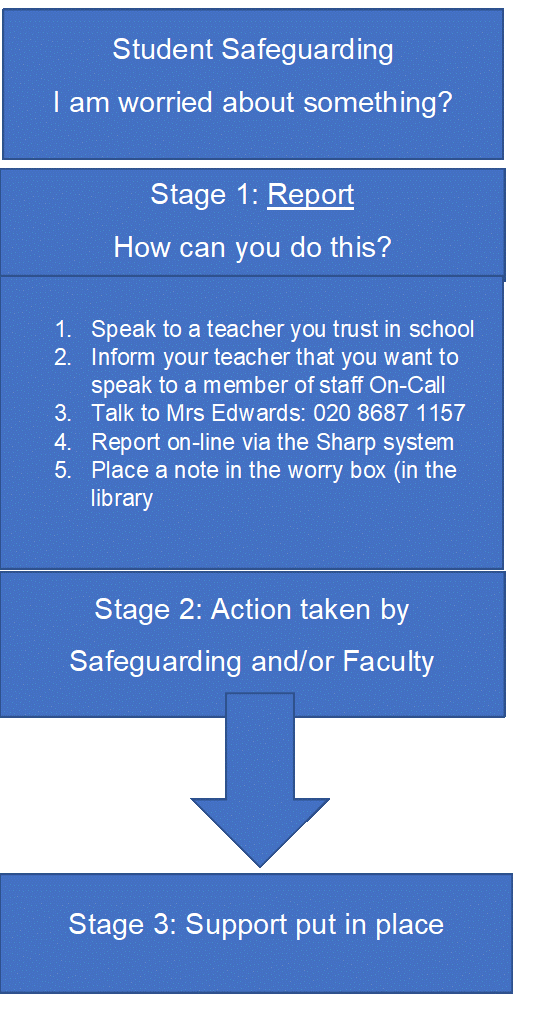
If you believe a child is in immient danger please contact the Police - dial 999
How to report to Children’s Social services?
Child protection referrals can be made via the duty desk or online:
- Merton: 020 8545 4226 / candfhub@merton.gov.uk
- Croydon: 020 8726 6464/ https://www.croydon.gov.uk/children-young-people-and-families/child-protection-and-safeguarding/report-concern-about-child
- Sutton: 020 8770 6001 / https://www.sutton.gov.uk/info/200235/safeguarding_children/473/what_to_do_if_you_are_worried_about_a_child/2
- Lambeth: 020 7926 3100/ https://beta.lambeth.gov.uk/noise-nuisance-anti-social-behaviour-and-safety/report-concern-about-child
- Wandswoth: 020 8871 7899/ https://www.wandsworth.gov.uk/make_a_referral_to_the_multi_agency_safeguarding_hub
Merton has a local safeguarding partnership (Merton Safeguarding Children Partnership) Please click on this link: https://www.mertonscp.org.uk/ It has links to local child protection policies and procedures, and links to other related websites.
How to report radicalisation and extremism?
The Merton Lead is Ms Willis and Merton’s Prevent Police Officer is PC Kendrick who can be contacted via Prevent@merton.gov.uk or on: 020 8545 4226/4227.
How to contact the LADO?
The Local Authority Designated Officer (LADO) is John Shelley, who can be contacted o: 020 8545 3187/lado@merton.gov.uk
How to contact Merton’s Virtual School?
The Head Teacher for Merton’s Virtual School is Karen Reid. The virtual school supports looked after children and Care Leavers to promote their educational achievement and to make sure all looked after children reach their potential. Please visit: https://www.merton.gov.uk/social-care/children-young-people-and-families/childrens-social-care/fostering-adoption-and-looked-after-children/virtual-school-for-looked-after-children for further information.
Early help means providing support as soon as a problem emerges, at any point in a child’s life.
At Harris Academy Morden we recognise that early help is more effective in promoting the welfare of children, than responding later and we offer a range of intervention as detailed below: If you would like your child to access any provision detailed below please speak to your child’s tutor, Faculty Coordinator or Mrs Edwards Designated Safeguarding Lead or send an email to: l.edwards@harrismorden.org.uk
Harris Academy Morden Pastoral Intervention offer:
Level 1: In-house support:
- Careers Advisor
- Emotional Literacy Support Assistants (ELSA)
- Emotional Regulation intervention
- Food parcels
- FSM uniform voucher
- Hardship fund for school uniform and shoes.
- Lego based Therapy (Social Communication programme)
- One to one support
- Phone-calls home by Tutor/Faculty Coordinator
- Mediation between students /between a child and their parent
- Meetings by Tutor/Faculty Coordinator
- Music therapy for those students who are anxious – Delivering support during breaks through playing the piano and offering music for them to listen to at home/play at home. – Ms O’Leary
- Part-time Timetable (individual support for a pupil – tailored to meet their specific need)
- PSHE, SMSC and Wellbeing programme
- Medical cards
- Safe space in school
- Safer Schools Police Officer
- Safety Plan: Initiate a plan to support the student to keep safe.
- Strengthening Minds /Life After Lockdown programme
- Team around the Child/Family meeting
- Truancy bus - support for parents who are struggling with their children who refuse to come to school in the morning.
- Welfare visits to family home
Provision by: Mrs Clark:
- One to one support for a vulnerable student.
- Anger management and emotional regulation workshops.
Provision provided by the Student Referral Centre (SRC)
- Anger Management workshop
- Girls support Group (Anxiety/mental health)
- Football Beyond Borders intervention
- Individual Intervention Plan
- ‘Loved Valued Able’ programme to concentrate on self-esteem/managing emotions (small group work).
- One to one friendship support group.
- One to one support and advice sessions –(Extended targeted sessions conducted with students completing long stay SRC)
- Pastoral Support Plan
- Peer mentoring
- Self-Esteem workshop
- Strengthening Minds programme (small group)
- Y7 Transition programme – (small group work)
Level 2: Early help:
- CATCH22 - work with young people and families in trouble, providing early intervention, targeted and specialist support services to those in crisis, leaving care, missing from home or with substance misuse or mental health problems
- Children Missing from Education
- Counsellor – in-house Catch22
- Free2B offer support to LGBTQ pupils and their families
- Glasshouse Project – for students with family members in prison or are victims of crime.
- Headlight Project – Delivering emotional resilience in schools.
- Jigsaw4u - bereavement and emotional support
- Life Course (London Fire brigade)
- Merton Medical Education Service (MMES) – for students struggling with significant medical or mental health needs
- My Futures Team (support young people aged 13-19 in Merton at risk of becoming Not in Education, Employment or Training (NEET).
- Signpost families towards ‘One stop Shop’ which is a confidential service for people experiencing domestic violence or abuse in Merton. Venue: Morden Baptist church – 9.30-12noon every Monday.
- Referral to Rape Crisis South London (RASASC) for children who have suffered sexual abuse
- Off the Record counselling service
- Parenting programme
- School nurse – Elizabeth Opoku-Ware
- Social Worker in Schools Project – Alice George – Alice can offer support to any family residing in Merton.
- Spectra (Sexual health and emotional wellbeing).
- Young Carers
Level 3:
- Referral to Children’s social care (CSC) for targeted intervention. Student placed on a Child in Need Plan
- Contextual Safeguarding Intervention: Child Sexual Exploitation, Child Criminal Exploitation, Missing, Serious Youth violence.
- Special Educational Needs and Disability (SEND):
- Educational Psychologist to consider whether an assessment of student’s SEND is required
- SENCo to complete an assessment for an Educational Health Care Plan (assessment of students SEND)
- Referral for a Speech and Language assessment
- Consultation with a CAMHS clinician for a student displaying mental health concerns.
- Referral to Child Adolescent Mental Health service (CAMHS) for a mental health or neurodevelopment assessment
- Youth Offending team intervention when a student receives a Youth referral order
- CAMHS crisis line number: 020 3228 5980 – Open between Monday -Friday 5 -11pm and Saturday – Sundays and Bank holidays 9am -11pm.
Level 4:
- Referral to (CSC) for targeted intervention requiring a student to be placed on a Child Protection Plan – DSL will attend every meeting on and off site. The student will be monitored closely, and the DSL will work as part of a multi-agency team to support the student and their family.
Local Safeguarding Partnership:
Please visit Merton’s Safeguarding Partnership (MSCP) for further information on how the Local Authority are working towards keeping residents and students who attend Merton Schools safe.
The Merton Safeguarding Children’s Partnership (MSCP) priorities for 2023-26
- Early Help
- Mental Health and Wellbeing
- Contextual Safeguarding
- Domestic Abuse
- Neglect
- Strong Leadership and Strong Partnership
The MSCP cross-cutting themes for 2023-26 area
- Voice of children, young people, and families
- Think Family
- Addressing disproportionality
- Pressures on families including cost-of-living and impact of Covid-19
- Learning from reviews & embedding reforms
The statutory guidance in Annex B of Keeping Children Safe in Education KCSIE contains important additional information about specific forms of abuse and safeguarding issues; this document has been shared with all staff at Harris Academy Morden who have confirmed that they have read it.
Child Criminal Exploitation (CCE) and Child Sexual Exploitation (CSE)
KCSIE states: We know that different forms of harm often overlap, and that perpetrators may subject children and young people to multiple forms of abuse, such as criminal exploitation (including county lines) and sexual exploitation.
In some cases the exploitation or abuse will be in exchange for something the victim needs or wants (for example, money, gifts or affection), and/or will be to the financial benefit or other advantage, such as increased status, of the perpetrator or facilitator.
Children can be exploited by adult males or females, as individuals or in groups. They may also be exploited by other children, who themselves may be experiencing exploitation – where this is the case, it is important that the child perpetrator is also recognised as a victim.
Whilst the age of the child may be a contributing factor for an imbalance of power, there are a range of other factors that could make a child more vulnerable to exploitation, including, sexual identity, cognitive ability, learning difficulties, communication ability, physical strength, status, and access to economic or other resources.
Some of the following can be indicators of both child criminal and sexual exploitation where children:
- appear with unexplained gifts, money or new possessions;
- associate with other children involved in exploitation;
- suffer from changes in emotional well-being;
- misuse drugs and alcohol;
- go missing for periods of time or regularly come home late; and
- regularly miss school or education or do not take part in education.
Children who have been exploited will need additional support to help maintain them in education.
CSE can be a one-off occurrence or a series of incidents over time and range from opportunistic to complex organised abuse. It can involve force and/or enticement-based methods of compliance and may, or may not, be accompanied by violence or threats of violence.
Some additional specific indicators that may be present in CSE are children who:
- have older boyfriends or girlfriends; and
- suffer from sexually transmitted infections, display sexual behaviours beyond expected sexual development or become pregnant.
County Lines:
KCSiE states: County lines is a term used to describe gangs and organised criminal networks involved in exporting illegal drugs using dedicated mobile phone lines or other form of “deal line”. This activity can happen locally as well as across the UK - no specified distance of travel is required. Children and vulnerable adults are exploited to move, store and sell drugs and money. Offenders will often use coercion, intimidation, violence (including sexual violence) and weapons to ensure compliance of victims.
Children can be targeted and recruited into county lines in a number of locations including schools (mainstream and special), further and higher educational institutions, pupil referral units, children’s homes and care homes.
Children are also increasingly being targeted and recruited online using social media. Children can easily become trapped by this type of exploitation as county lines gangs can manufacture drug debts which need to be worked off or threaten serious violence and kidnap towards victims (and their families) if they attempt to leave the county lines network.
A number of the indicators for CSE and CCE as detailed above may be applicable to where children are involved in county lines. Some additional specific indicators that may be present where a child is criminally exploited through involvement in county lines are children who:
- go missing and are subsequently found in areas away from their home;
- have been the victim or perpetrator of serious violence (e.g. knife crime);
- are involved in receiving requests for drugs via a phone line, moving drugs, handing over and collecting money for drugs;
- are exposed to techniques such as ‘plugging’, where drugs are concealed internally to avoid detection;
- are found in accommodation that they have no connection with, often called a ‘trap house or cuckooing’ or hotel room where there is drug activity;
- owe a ‘debt bond’ to their exploiters; have their bank accounts used to facilitate drug dealing.
Further information on the signs of a child’s involvement in county lines is available in guidance published by the Home Office: https://assets.publishing.service.gov.uk/government/uploads/system/uploads/attachment_data/file/863323/HOCountyLinesGuidance_-_Sept2018.pdf
Domestic Abuse:
KCSiE states: The Domestic Abuse Act 2021 received Royal Assent on 29 April 2021. The Act introduces the first ever statutory definition of domestic abuse and recognises the impact of domestic abuse on children, as victims in their own right, if they see, hear or experience the effects of abuse. The statutory definition of domestic abuse, based on the previous cross-government definition, ensures that different types of relationships are captured, including ex-partners and family members. The definition captures a range of different abusive behaviours, including physical, emotional and economic abuse and coercive and controlling behaviour. Both the person who is carrying out the behaviour and the person to whom the behaviour is directed towards must be aged 16 or over and they must be “personally connected” (as defined in section 2 of the 2021 Act).
Types of domestic abuse include intimate partner violence, abuse by family members, teenage relationship abuse and child/adolescent to parent violence and abuse. Anyone can be a victim of domestic abuse, regardless of sexual identity, age, ethnicity, socioeconomic status, sexuality or background and domestic abuse can take place inside or outside of the home. The government will issue statutory guidance to provide further information for those working with domestic abuse victims and perpetrators, including the impact on children.
All children can witness and be adversely affected by domestic abuse in the context of their home life where domestic abuse occurs between family members. Experiencing domestic abuse and/or violence can have a serious, long lasting emotional and psychological impact on children. In some cases, a child may blame themselves for the abuse or may have had to leave the family home as a result.
Young people can also experience domestic abuse within their own intimate relationships. This form of peer on peer abuse is sometimes referred to as ‘teenage relationship abuse’. Depending on the age of the young people, this may not be recognised in law under the statutory definition of ‘domestic abuse’ (if one or both parties are under 16). However, as with any child under 18, where there are concerns about safety or welfare, child safeguarding procedures should be followed and both young victims and young perpetrators should be offered support. The Act’s provisions, including the new definition, will be commenced over the coming months.
Harris Academy Morden are part of the Merton Operation Encompass scheme working in partnership with the Police to offer emotional and practical help to children. The system ensures that when police are called to an incident of domestic abuse, where there are children in the household who have experienced the domestic incident, the police will inform Mrs Edwards Designated Safeguarding Lead to enable immediate support to be put in place for the child.
Peer on Peer Abuse: Safeguarding issues can manifest themselves via Peer on Peer abuse, which can take many forms, such as: (but is not limited to): abuse within intimate partner relationships; bullying (including cyberbullying); sexual violence and sexual harassment; physical abuse such as hitting, kicking, shaking, biting, hair pulling, or otherwise causing physical harm; sexting and initiation/hazing type violence and rituals.
Sexual Violence and Harassment:
The NSPCC have launched a dedicated helpline for children and young people who've experienced abuse at school, and for worried adults and professionals who need support and guidance. The helpline is to provide appropriate support and advice to victims of abuse, and concerned adults, including onward action such as contacting the police if they wish to.
This dedicated helpline will offer support to:
- all children and young people making current and non-recent disclosures of abuse
- any children or young people who want to talk about being involved or witnessing any incidents
- any adults who have experienced non-recent abuse
- parents and carers who have any concerns about their own or other children
- professionals who work in schools and need support in this or related issues.
​Anyone who gets in touch through this dedicated helpline will also be signposted to other relevant support services available, including Childline - which provides ongoing support and counselling to children and young people.
The Report Abuse in Education helpline comes after a high number of anonymous testimonials were submitted to the Everyone’s Invited website, documenting abuse in all types of schools, colleges, and universities.
Young people and adults can contact the NSPCC helpline, Report Abuse in Education on 0800 136 663 or email help@nspcc.org.uk
Radicalisation and Extremism: Harris Academy Morden actively supports the view that all students should be protected from radicalisation and extremism. The Academy’s Prevent Duty Lead is Mrs Edwards, the Designated Safeguarding Lead.
Signposting:
- Prevent duty guidance- Home Office guidance
- Prevent duty: additional advice for schools and childcare providers - DfE advice
- Educate Against Hate website - DfE and Home Office advice
Radicalisation and Extremism
Harris Academy Morden believes and actively supports the view that all students should be protected from radicalisation and extremism. The Academy’s Prevent Duty Lead is Mrs Edwards, the Designated Safeguarding Lead.
The Prevent duty lead has two specific strategic objectives to safeguard our students against radicalisation, extremism and any actions or beliefs that are contrary to British values and our Academy ethos:
- Respond to the ideological challenge of terrorism and the threat we face from those who promote it
- Prevent people from being drawn into terrorism and ensure that they are given appropriate advice and support
- Prevent duty guidance- Home Office guidance
- Prevent duty: additional advice for schools and childcare providers - DfE advice
- Educate Against Hate website - DfE and Home Office advice
How to report radicalisation and extremism?
The Merton’s Prevent Police Officer is PC Kendrick who can be contacted via the HAMD Safegauarding Team.
At Harris Academy Morden we take great pride in the way we support and care for all members of our Academy community. Nationally, we know that the context relating to wellbeing and mental health has changed significantly and there are a growing number of adults and children who are suffering with mental health issues.
At Harris Academy Morden we aim to create an environment where all children and adults understand the importance of taking care of their emotional wellbeing which includes promoting good positive mental health. We recognise that we have an active role in protecting our students from issues which may arise surrounding mental health and self-harm. Our vision is for all students to be self-managers of their own wellbeing, having developed the tools and strategies to be able to look after their own mental health. At the same time we ensure all members of our Academy are aware that there are always people available to support them should they need additional help.
Welcome from Mrs Edwards, I am the Senior Mental Health Lead at Harris Academy Morden
As the Senior Mental Health Lead (SMHL) at HAMD, I am committed to ensuring that the emotional wellbeing of all students remains a central priority for the pastoral team. We are proud to offer the most comprehensive emotional wellbeing provision we have ever had. Our Harris Academy Morden (HAMD) student council pupils are trained mental health student champions, and Juliet Brown serves as our Bullying Ambassador. We currently have four ELSAs (Emotional Literacy Support Assistants), alongside several team members who provide one to one support for pupils.
Abigail Sewell, our Harris Federation Lead Mental Health Practitioner, provides counselling sessions for ten pupils per week across two days. We remain part of the Wave 6 Cluster project—overseen by South West London and St George’s Mental Health NHS Trust—which gives us access to three Education Wellbeing Practitioners (EWPs) and a systemic therapist. One EWP is training in CBT-based guided self-help for pupils experiencing mild to moderate anxiety or low mood. This service now supports approximately ten HAMD pupils weekly and offers family therapy for our most vulnerable students.
We have six trained Mental Health First Aiders (MHFA): Emily Blenkinsop, Jane Clark, Lynn Edwards, Shelley Ellaway, Kiera Patel and Julie Shepherd. Shelley and I are also trained as staff MHFAs. Finally, we are fortunate to have Pearl Buady, our proactive and highly committed school nurse.
If you would like further information, please do not hesitate to contact Mrs Edwards: 020 8687 1157. Ex 3710.
Keeping Children Safe in Education 2025 states: Where children have suffered abuse and neglect, or other potentially traumatic adverse childhood experiences, this can have a lasting impact throughout childhood, adolescence and into adulthood. It is key that staff are aware of how these children’s experiences, can impact on their mental health, behaviour, attendance and progress at school. More information can be found in the Mental health and behaviour in schools guidance, colleges may also wish to follow this guidance as best practice. Public Health England. 149 has produced a range of resources to support secondary school teachers to promote positive health, wellbeing and resilience among children. See Better Health Every Mind Matters for links to all materials and lesson plans.
- WAVE 6 MHST STAFF SUPPORT FLYER
- The Wave 6 Merton Mental Health Support Team Secondary Flyer
- Wave Six Merton MHST Secondary School Information
- Secondary School FAQ
- Education Wellbeing Service. Secondary School Application Form
- UNIVERSAL POSTERS
- ANXIETY AND LOW MOOD INFO FLYER
- Mental-Health-Support-Flyer.pdf
Further support contact details:
- CAMHS crisis line: 0203 228 5980
- Childline: call 0800 1111 or visit www. Childline.org.uk for information or to chat to a counsellor.
- Headscape: https://headscape-swlondon.nhs.uk/headscape/
- Hopeline: 0800 068 4141
- Kooth: https://www.kooth.com/
- NHS Every Mind Matters: https://www.nhs.uk/every-mind-matters/
- NSPCC: 0808 800 5000
- Off the Record: https://www.talkofftherecord.org/
- Samaritans: 116 123
- Young Minds: text ‘YM’ to 85258.
| General Documents |
|---|
| Emergency contact details |
| Positive Mental Health Policy 2025 2026 |